Gas detector maintenance is easier to manage when sensor replacement is treated as a scheduled maintenance task rather than an unexpected purchasing event. That is the practical difference at the center of SensorExpress vs Reactive Sensor Replacement. With Interscan’s SensorExpress program, calibrated replacement sensors are supplied according to a planned schedule. A reactive approach waits until testing, calibration drift, sensor degradation, or another maintenance issue creates an immediate need for a replacement. Both approaches ultimately replace the sensor, but they create very different maintenance and procurement workflows.
For facilities where gas monitoring supports worker safety, process decisions, or continuous operations, that difference matters. SensorExpress shifts sensor replacement from emergency response toward predictable preventive maintenance.
What Is SensorExpress?
Interscan’s SensorExpress subscription service is designed to provide calibrated replacement sensors automatically when they are needed. The process is straightforward: receive the replacement sensor, install it, and return the old sensor. Interscan identifies minimal downtime, on-time delivery, consistent performance, and easier maintenance as central benefits of the program.
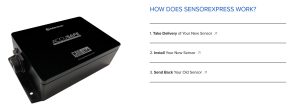
How SensorExpress Work
The program is not simply an automatic reorder system. Replacement timing can be established according to the expected lifespan of the sensor and the target gas. Interscan describes SensorExpress as placing users on a predetermined replacement schedule so the new sensor can arrive before the existing sensor creates a maintenance problem.
For maintenance teams, that changes the question from “How quickly can we get another sensor?” to “When is the next planned replacement?”
What Does Reactive Sensor Replacement Look Like?
Reactive sensor replacement begins after the need has already appeared.
Subscribe to receive our monthly round-up of articles.
That might happen because calibration results show significant drift, a sensor reaches the end of its useful service life, the detector fails a performance check, or the sensor experiences conditions that affect its response. Sensor condition depends on factors such as use, gas exposure, and the operating environment, which is why maintenance requirements cannot always be reduced to one universal calendar interval. The GASD 8000 manual, for example, notes that calibration frequency depends on instrument use and sample-gas exposure.
Once a problem appears, a reactive maintenance process can involve several steps:
- Confirming that the sensor requires replacement
- Identifying the correct replacement sensor
- Creating or approving a purchase request
- Placing the order
- Waiting for shipment
- Receiving and installing the replacement
- Returning the instrument to normal monitoring
None of those steps is unusual. The issue is timing. When they begin only after a sensor needs attention, procurement time and maintenance time become part of the same event.
For a deeper discussion of why this matters, Interscan’s article on minimizing gas detection downtime explains how delayed sensor replacement can affect both safety monitoring and production availability.
SensorExpress vs Reactive Sensor Replacement: The Maintenance Difference
The biggest distinction between SensorExpress vs Reactive Sensor Replacement is predictability.
Reactive replacement makes the sensor’s condition the trigger for procurement. SensorExpress separates procurement from the moment the sensor actually needs to be changed.
That produces several practical maintenance advantages.
Replacement sensors can already be available
The current GASD 8000 documentation describes SensorExpress as an alternative sensor replacement approach in which a certified spare sensor is kept at the customer’s site. The replacement cartridge contains the sensor sensitivity information needed by the instrument, reducing the setup work associated with installing the new cartridge.
That is very different from discovering a sensor issue first and then beginning the ordering process.
Purchasing becomes easier to anticipate
Reactive orders often compete with other unplanned maintenance purchases. A scheduled replacement program gives purchasing and safety teams a clearer idea of when replacement sensors will be required.
This can simplify budgeting, purchase approvals, inventory planning, and coordination between safety personnel and procurement departments.
Maintenance windows become easier to plan
When the replacement component is already available, technicians can schedule the sensor change around normal maintenance activities rather than shipping timelines.
That is especially useful for organizations operating multiple detectors. Instead of managing each sensor as an isolated purchasing event, the facility can build replacement into a broader gas detection maintenance program.
Pre-Calibrated Sensors Reduce Another Maintenance Variable
Sensor replacement is only part of the maintenance process. Calibration also matters.
Interscan’s GASD 8000 supports calibration against a standard gas mixture or through SensorExpress. The manual explains that traditional calibration using certified gas or permeation devices can sometimes be inconvenient or costly, which is one reason SensorExpress is offered as an alternative.
SensorExpress replacement sensors are supplied calibrated, and the GASD 8000’s cartridge stores the sensitivity value needed by the instrument. That reduces the amount of calibration-related setup required when a scheduled sensor is installed.
Facilities should still follow applicable testing, verification, and maintenance procedures. Planned replacement does not eliminate the need to verify that a gas detector is operating correctly.
Interscan discusses that distinction further in its article on the importance of calibrated instruments in gas analysis.
The Interchange Sensor System Makes Planned Replacement More Practical
A replacement program only saves time if physically replacing the sensor is manageable.
Interscan addresses that through its Interchange Sensor System. The replacement process is designed around three basic steps: release the sensor, replace it, and reset the device. Interscan identifies the cartridges as pre-calibrated and designed to minimize downtime.
The GASD 8000 product documentation similarly states that its sensor can be replaced without tools and without sending the complete instrument back to Interscan for routine sensor replacement.
This is where the comparison becomes less about shipping alone and more about the complete maintenance workflow. SensorExpress schedules the replacement supply, while the Interchange Sensor System simplifies the actual change.
When Does Reactive Replacement Still Make Sense?
Planned maintenance does not mean unexpected sensor problems can never occur. Unusual gas exposure, environmental conditions, physical damage, or abnormal performance can still require investigation before the planned replacement date.
Reactive ordering may also be reasonable for instruments used very infrequently or applications where facilities intentionally maintain sufficient replacement inventory themselves.
For continuously used equipment, larger detector fleets, or applications where downtime creates operational problems, however, planned sensor replacement offers a clearer advantage. It removes several avoidable procurement steps from the point at which the sensor actually needs attention.
That is the main takeaway from SensorExpress vs Reactive Sensor Replacement. Reactive purchasing responds to a maintenance need after it occurs. SensorExpress attempts to have the replacement ready before that need interrupts normal operations.
Gas detectors are safety instruments, so sensor replacement should not depend on someone remembering to place an order at the right time. Interscan combines scheduled SensorExpress deliveries with pre-calibrated Interchange Sensor cartridges to make routine replacement more predictable and easier to manage. If your facility uses Interscan gas detection equipment and wants to reduce the purchasing and downtime risks associated with reactive sensor replacement, explore SensorExpress and talk with Interscan about a replacement schedule for your instruments.
Frequently Asked Questions
What is the main difference between SensorExpress and reactive sensor replacement?
SensorExpress uses planned replacement scheduling so calibrated sensors can be delivered according to expected maintenance needs. Reactive replacement begins the purchasing process after a sensor problem or replacement requirement has already been identified.
Are SensorExpress replacement sensors already calibrated?
Yes. Interscan describes SensorExpress replacement sensors as calibrated before delivery. For the GASD 8000, the replacement cartridge also contains the sensitivity information used by the instrument.
Does SensorExpress eliminate all gas detector maintenance?
No. SensorExpress simplifies scheduled sensor replacement, but facilities still need to follow appropriate operating, inspection, testing, calibration, and maintenance procedures for their gas detection equipment. Interscan’s GASD 8000 documentation specifically treats sensor replacement as one part of a broader calibration and maintenance process.