Phosphine (PH3) Detection

About Phosphine Detection
Phosphine, a highly toxic and flammable gas with a garlic- or fish-like odor, is used primarily for fumigation in grain storage, agriculture, and food processing facilities.
Phosphine is a highly toxic, colorless, and flammable gas used primarily to control insect pests in stored grain, silos, warehouses, shipping containers, and other enclosed commodity-storage areas. It is also used in semiconductor manufacturing to introduce phosphorus into silicon and in certain chemical-production processes.
Pure phosphine is odorless. Commercial or technical-grade phosphine may have a garlic-like or decaying-fish odor, but smell does not provide a reliable warning of hazardous concentrations. Exposure can affect the respiratory, cardiovascular, nervous, and gastrointestinal systems. Severe exposure may cause pulmonary edema, cardiovascular collapse, seizures, or death.
Because phosphine can remain in enclosed areas during fumigation, aeration, unloading, and re-entry, accurate gas detection, ventilation, and controlled-entry procedures are critical for worker safety.

Ranges We Detect For Phosphine
Sensor Range
Measurement Specifics
- Maximum Overload25 ppm
- Resolution< 0.02 ppm
- Typical Baseline Range-0.1 ppm to 0.2 ppm
Not sure what range you need?
We’re here to helpINDUSTRIES WE SERVE























Portable Gas Detection
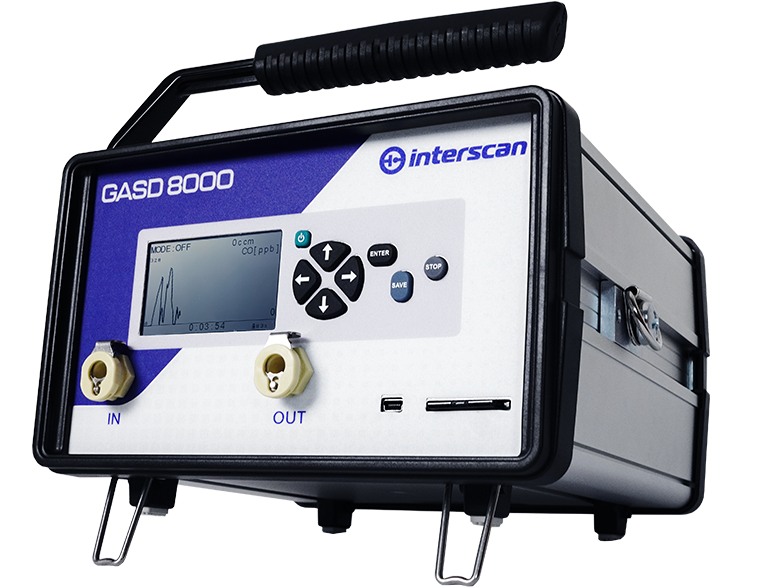
GASD 8000
Portable Smart Gas Detector for Connected Operations
Elevate Safety Standards with Ultra-Low Detection & Edge Intelligence Read more... about GASD 8000
Portable Gas Detection
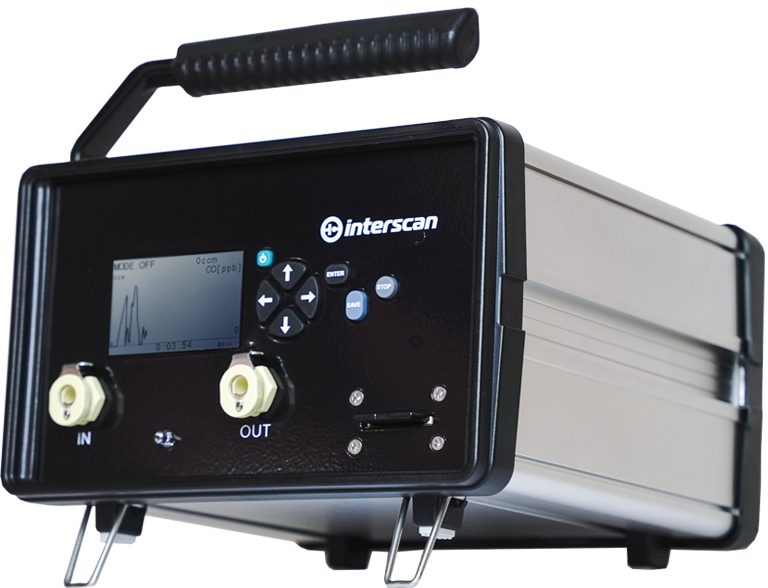
GASD IS
Designed for Intrinsic Safety & Combustible Environments
Elevate Safety Standards with the GASD IS®: Built for Explosive Atmospheres Read more... about GASD IS
Fixed Gas Detection

ACCUSAFE
Fixed Point Gas Detection
Smart Gas Detection for Your Facility, Powered by IIoT Read more... about ACCUSAFE
NO2 Exposure: Which Industries Are Most at Risk?
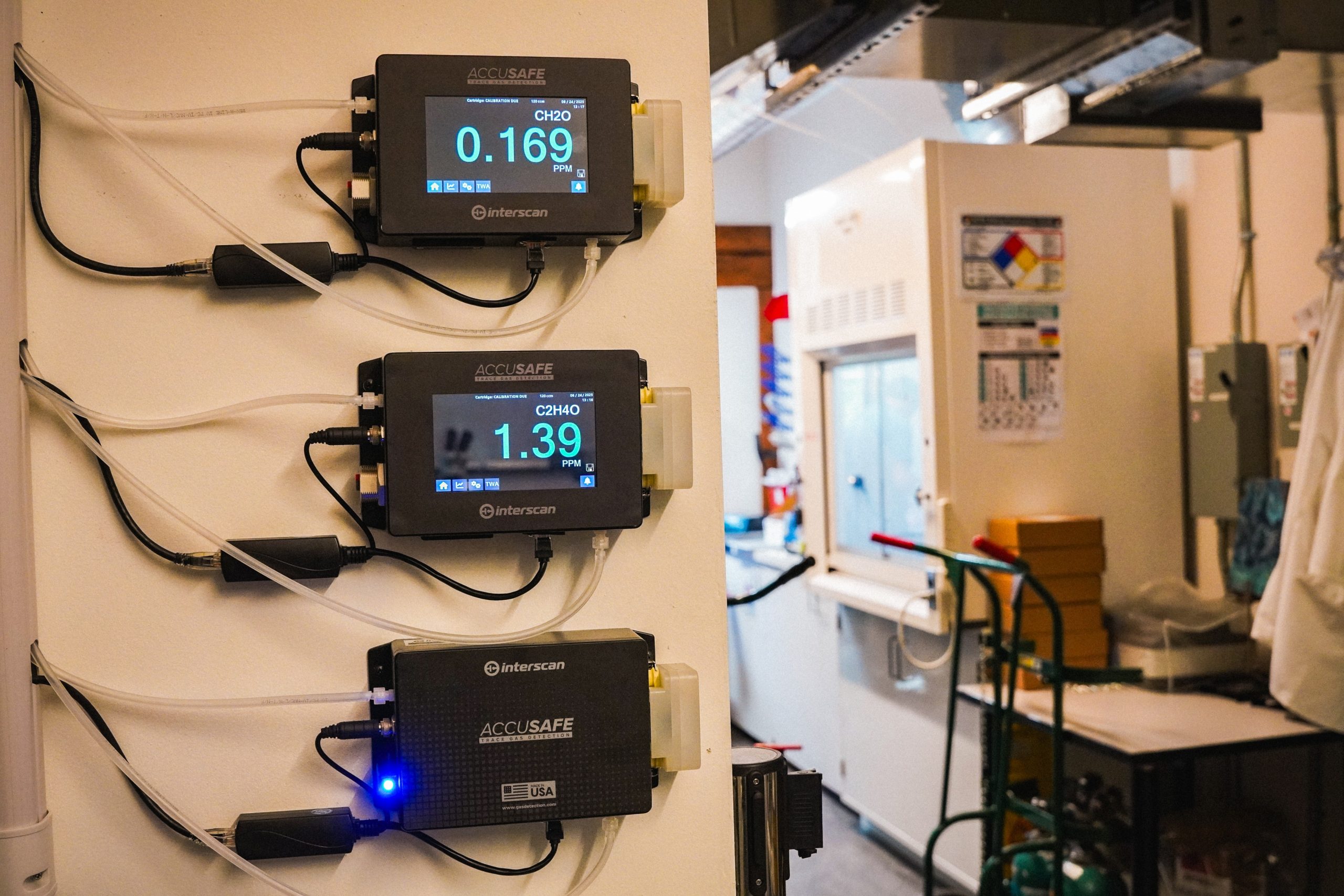
Modbus-Connected Gas Detection vs Standalone Monitors: Which Scales Better Across a Facility?

Local Audible Alarms vs Remote Notifications: What Should a Modern Gas Detection System Provide?

Interchangeable Sensor Modules vs Factory Servicing: Which Reduces Monitoring Downtime?

SensorExpress vs Reactive Sensor Replacement: Comparing Planned Maintenance and Emergency Ordering