Articles

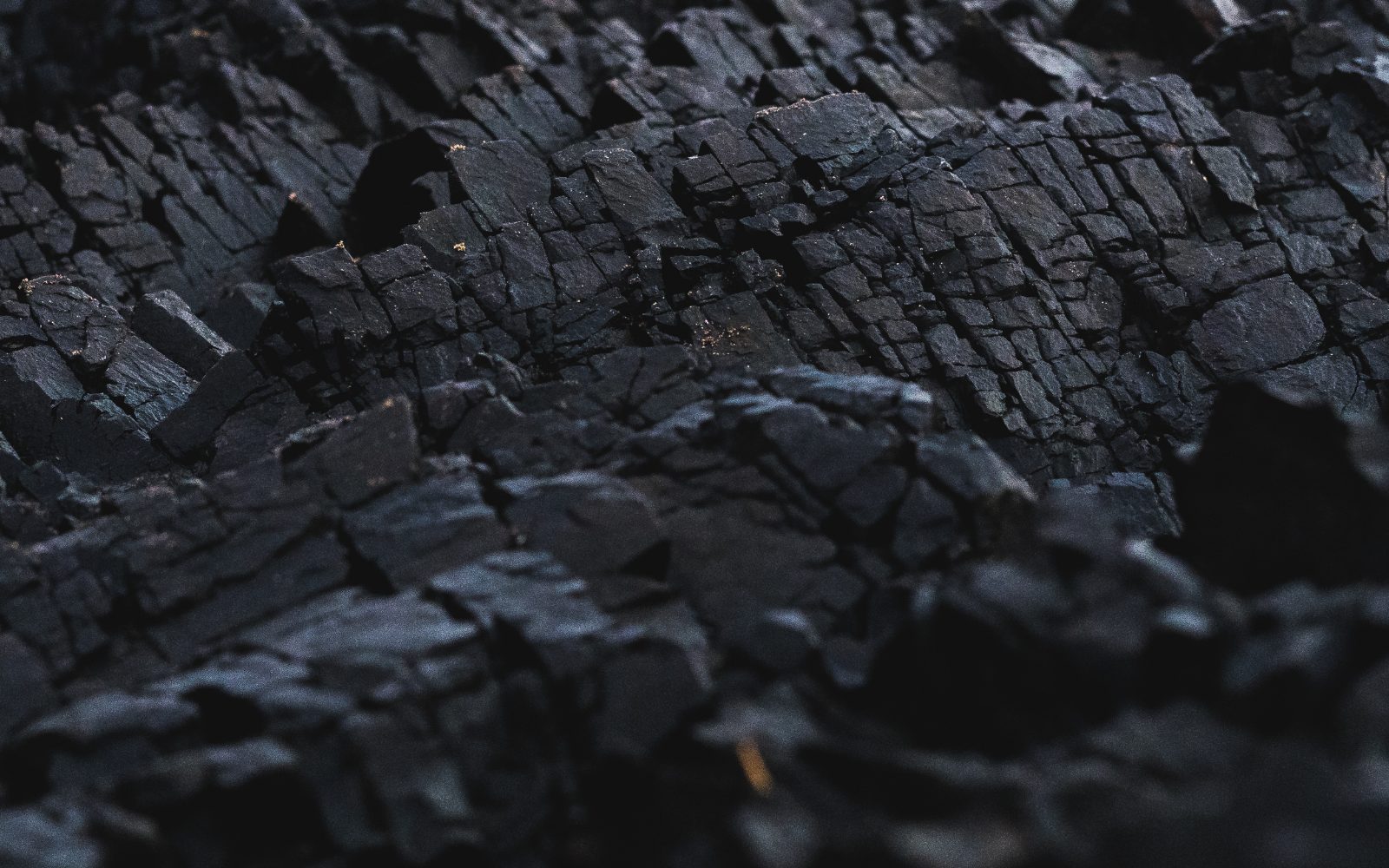
Controlling Carbon Monoxide Exposure in the Mining Industry

Carbon monoxide poisoning is a leading cause of fatalities in underground mine fires. Miners also encounter carbon monoxide in daily operations. Rescue teams and miners can identify some gases by their distinct color or odor, alerting them to the dangers of potential exposure. However, carbon monoxide is colorless, odorless, and tasteless, making it the “most dangerous gas” in mines. The only way to detect carbon monoxide is through sensors.

Articles

What Is Agricultural Air Pollution? 8 Harmful Gases Every Farmer Should Know

Read more about What Is Agricultural Air Pollution? 8 Harmful Gases Every Farmer Should Know

Articles

How to Monitor Phosphine to Comply with 2026 Workplace Exposure Limits in Australia

Read more about How to Monitor Phosphine to Comply with 2026 Workplace Exposure Limits in Australia

Articles

Australian Phosphine Exposure Limits for Grain Storage: 2026 WEL Changes Explained

Read more about Australian Phosphine Exposure Limits for Grain Storage: 2026 WEL Changes Explained

Articles

What are Fatbergs? Occupational Hazards in Controlling Them

Read more about What are Fatbergs? Occupational Hazards in Controlling Them

Articles

What Is Halitosis? Causes, Prevalence, Diagnosis, and Why It Affects Millions

Read more about What Is Halitosis? Causes, Prevalence, Diagnosis, and Why It Affects Millions